$218.00
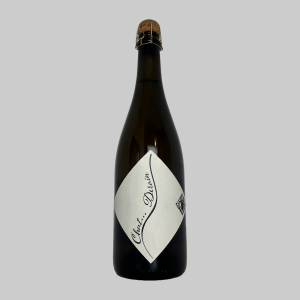
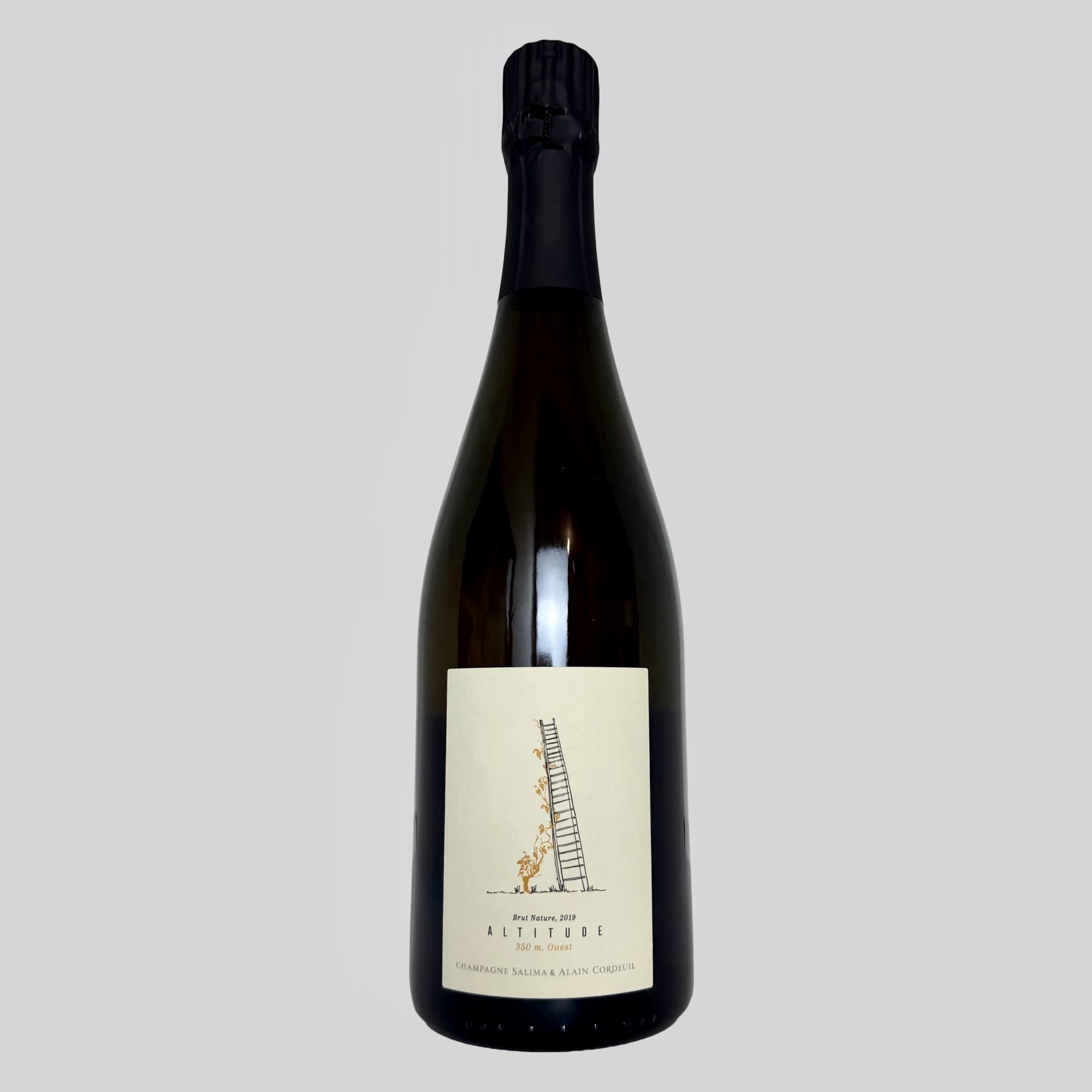
This is single-vineyard Champagne grows on limestone soils at one of the Aube’s highest elevations. Brut Nature, direct pressed and aged in barrel before nearly five years on lees. Bone-dry and saline with bright acidity, it finishes long, energetic, and strikingly clear.
Out of stock
Salima and Alain’s journey into Champagne began far from the vineyard rows. They met while studying in Montpellier—Alain immersed in psychology, Salima in French literature—before an unexpected opportunity to reclaim Alain’s family vines shifted their course entirely. Drawn back to Noé-les-Mallets, in the southern stretch of the Côte des Bar, they set about restoring roughly four hectares of Pinot Noir and Chardonnay.
Tucked into a secluded corner of the region, Noé-les-Mallets lies among finger-like ridges that climb to the highest vineyard sites in Champagne, only a few villages from Charles Dufour. The soils here are dominated by Portlandian limestone—dense, chalk-rich and reminiscent of Chablis—making altitude and geology central to the identity of the estate, most clearly expressed in the single-parcel cuvées Altitude 320m and 350m.
Shaped by their academic backgrounds, Salima and Alain approach viticulture with sensitivity rather than force, treating the vineyard as a living garden. The vines were converted to organic farming from the outset, with cover crops, horse ploughing, late pruning, and naturally modest yields of around 40 hl/ha. Their first vintage came in 2011, but it was the arrival of their two children that cemented a guiding principle: patience. Every wine is vintage-only, aged for at least five years on lees, finished without dosage, and since 2015 bottled with a prise de mousse started from fermenting wine rather than MCR. Salima describes the wines as airy, salty, and patient—Champagnes that reveal themselves slowly, like long, thoughtful novels.
Related products